Ceramic vs PPF Coating: Which Paint Protection Is Right for Your Car?
Choosing the right paint protection affects both your vehicle's long-term finish and your budget. This guide breaks down PPF coating versus ceramic coating so Newport Beach, CA, drivers can make an informed choice.
What Does PPF Coating Actually Do?
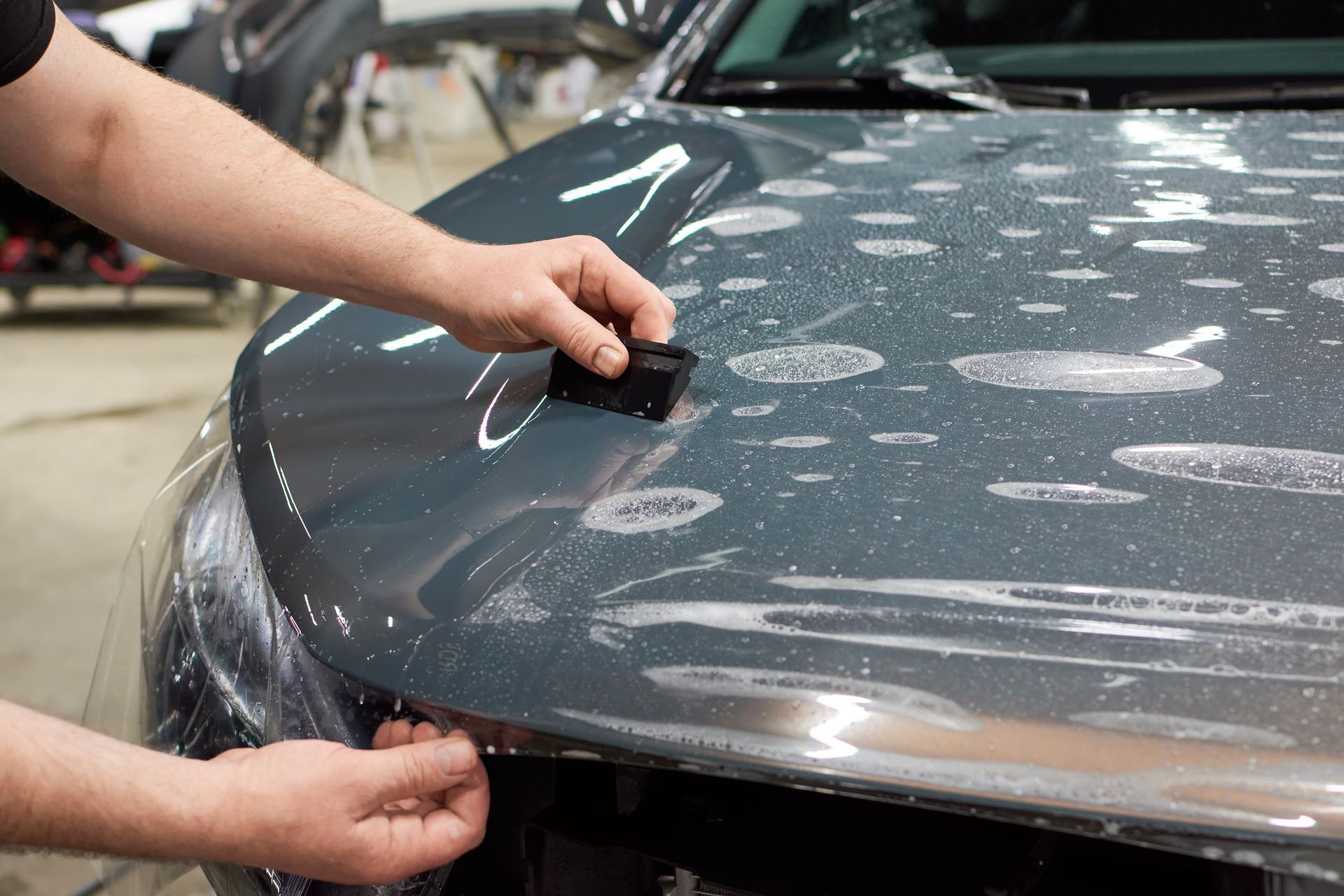
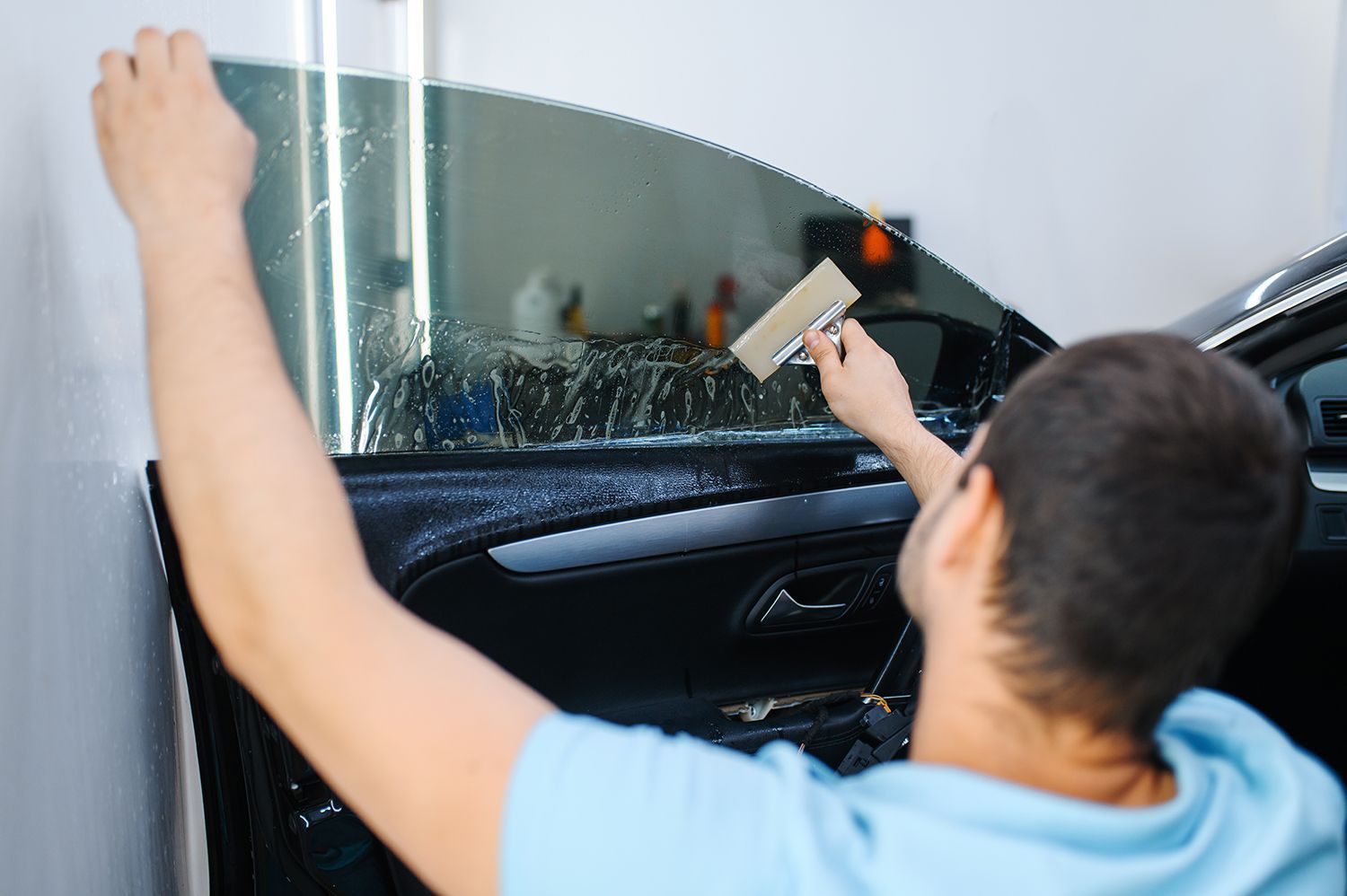
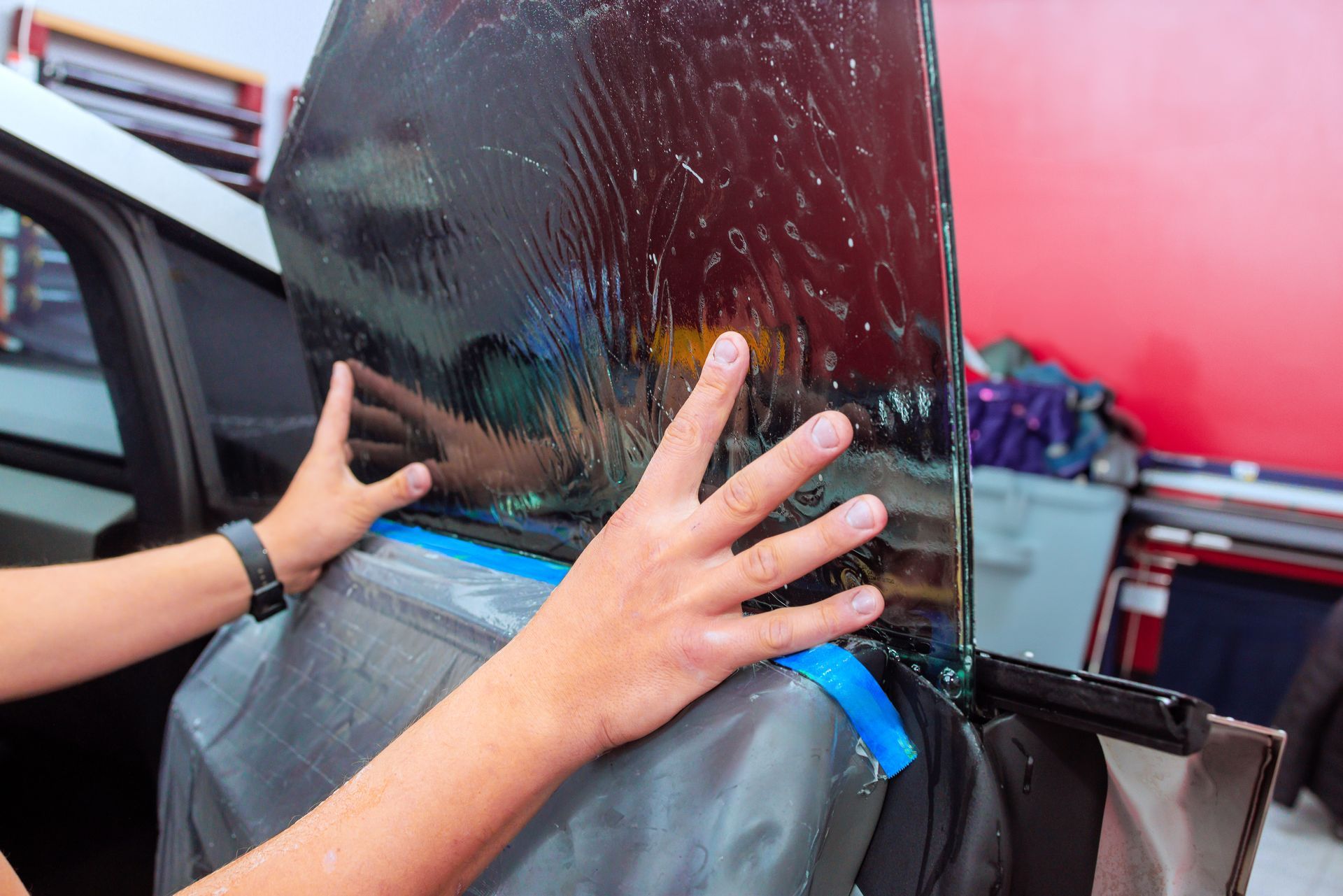
PPF coating acts as a physical shield between your paint and the outside world. Paint protection film (PPF) is a clear, flexible urethane film that absorbs impact from road debris, rock chips, bird droppings, and everyday scratches before they reach your factory finish.
Self-Healing Technology
Modern PPF features self-healing capability. Light scratches and swirl marks on the film can disappear with exposure to heat from the sun or warm water, keeping the surface looking smooth without extra effort.
What PPF Protects Against
PPF is the right choice when physical impact protection is the priority. It guards against rock chips and road debris, bug acids and bird droppings that etch paint, sand and grit common on coastal Orange County roads, and minor abrasions from daily use and parking lot mishaps.
How Is Ceramic Coating Different?
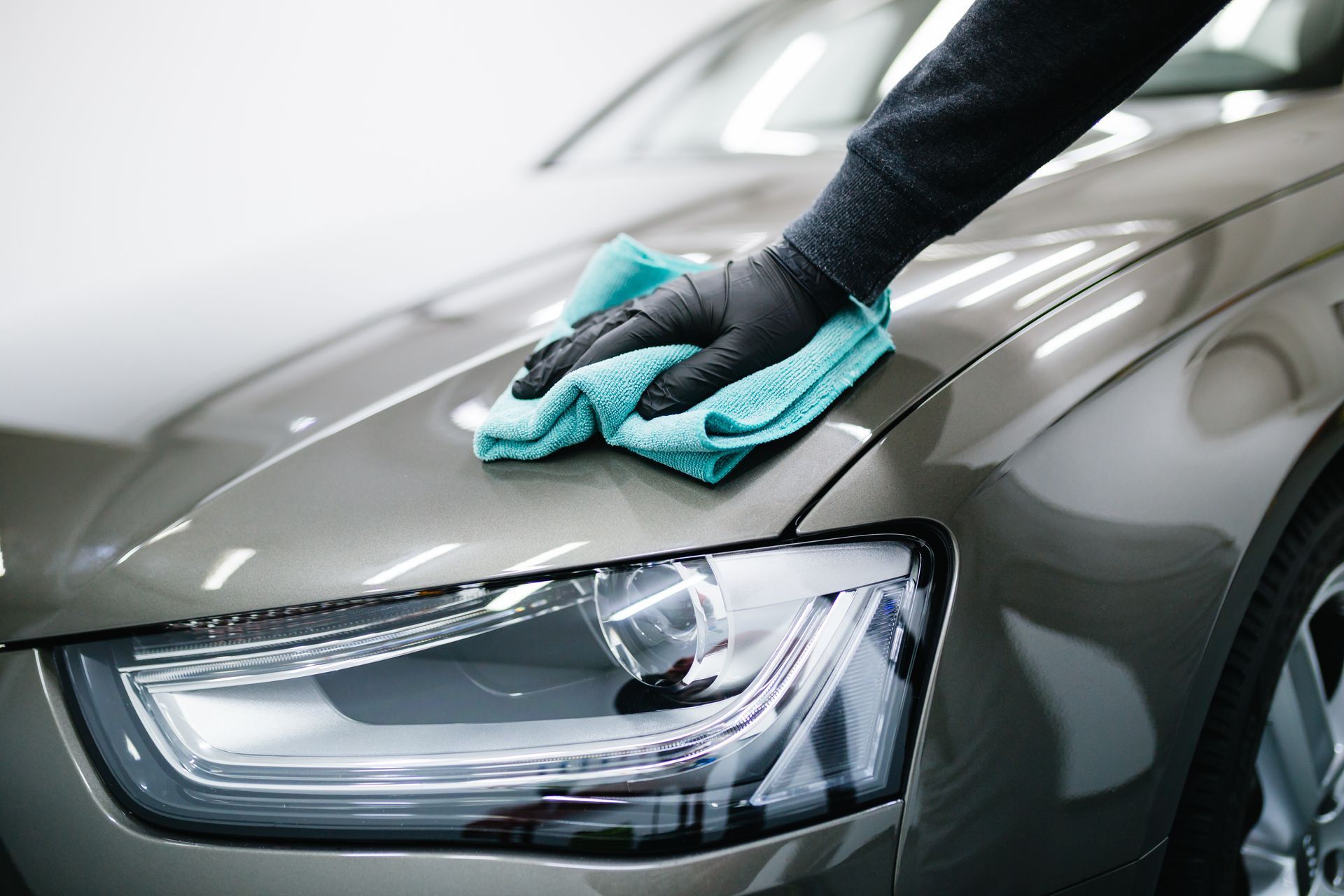
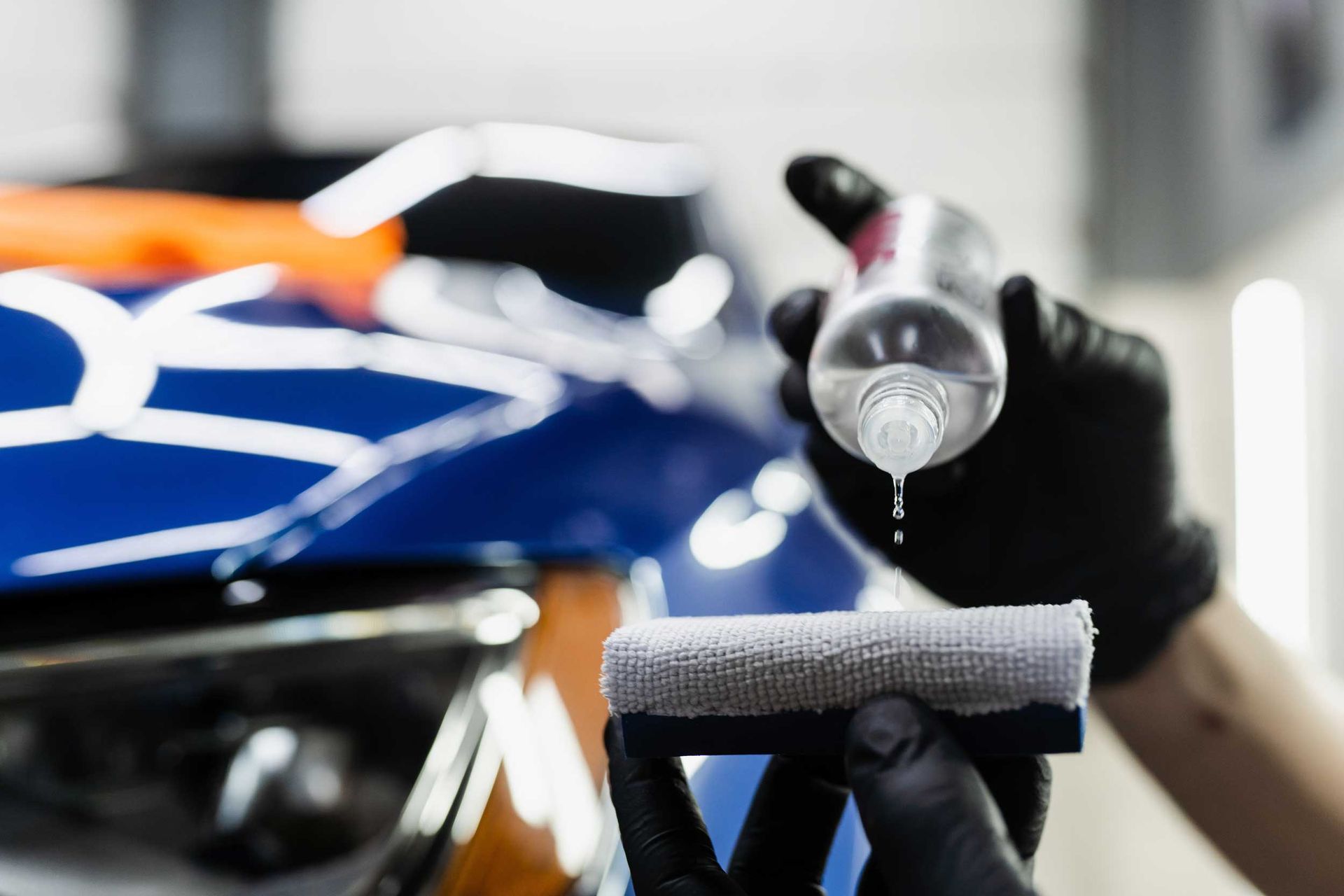
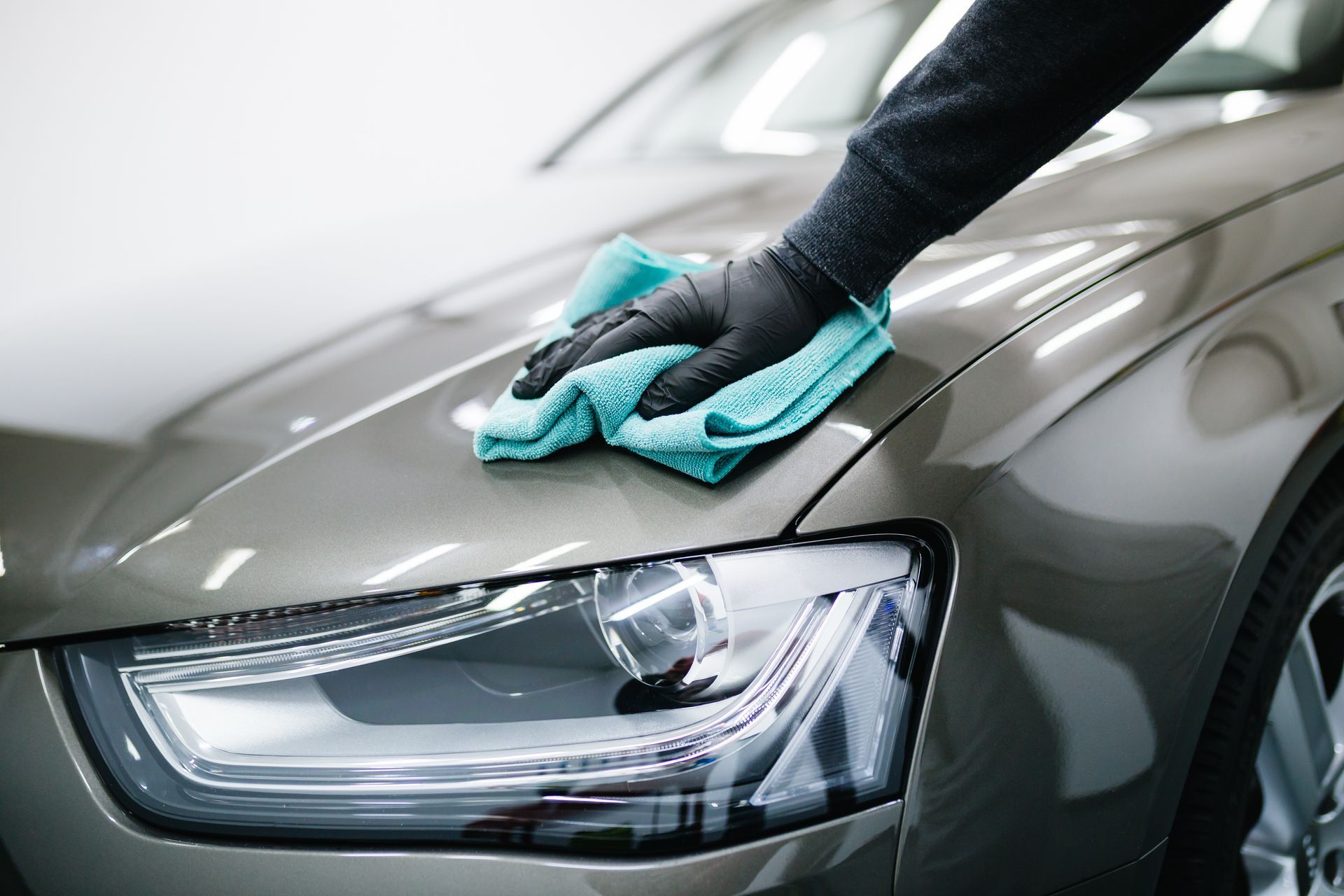
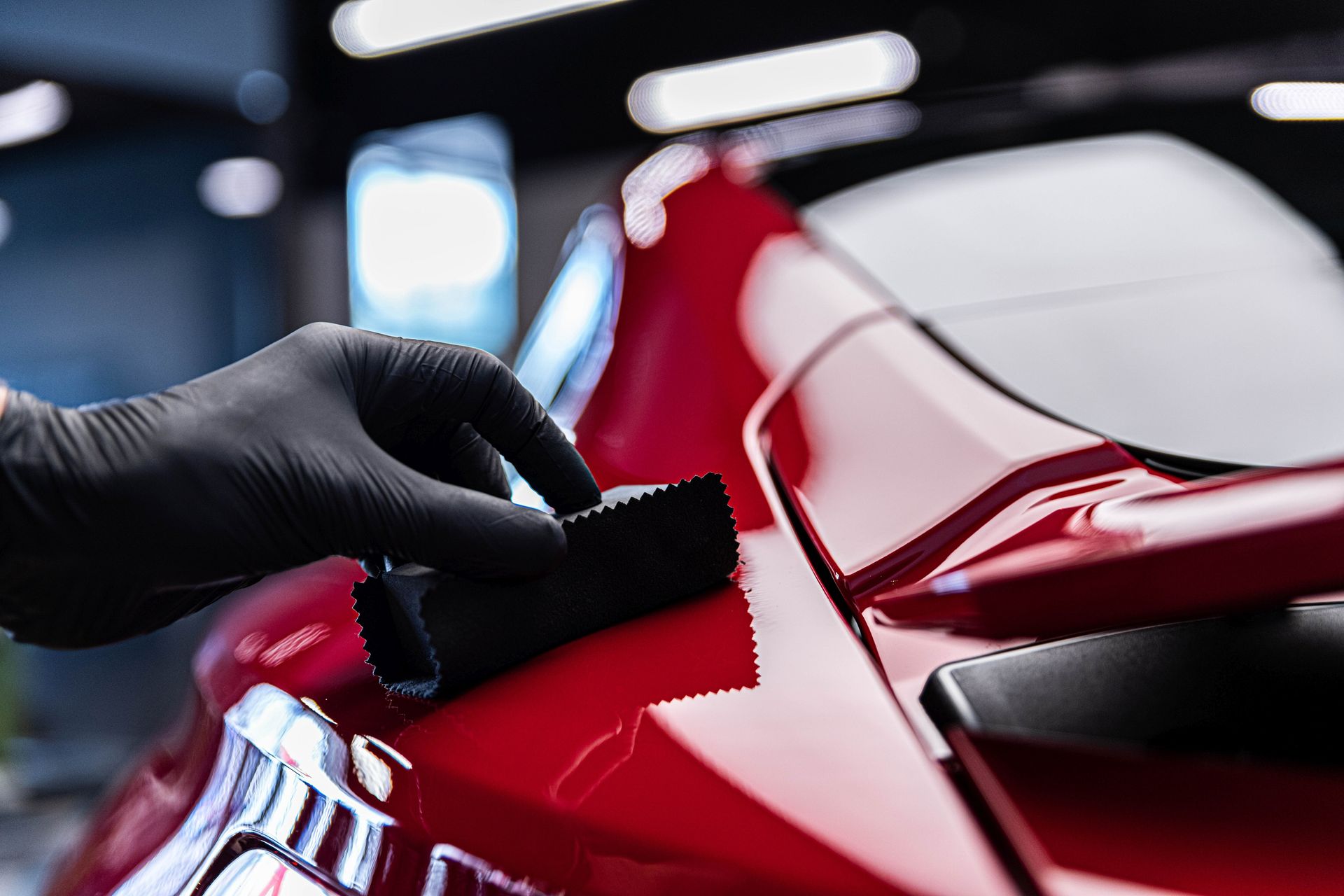
Ceramic coating is a chemical bond, not a physical layer. It adds a hard, hydrophobic surface over your paint that repels water, UV rays, road grime, and environmental contaminants, making the car significantly easier to keep clean.
What Ceramic Coating Does Well
Ceramic coating excels at enhancing appearance and reducing maintenance. It boosts gloss, adds depth to your paint's color, and cuts down on time spent washing and detailing. For Newport Beach, CA, drivers who park near the ocean, salt air and marine layer residue can be relentless on an unprotected finish, and a ceramic layer helps contaminants slide off rather than bond to the surface.
What Ceramic Coating Cannot Do
Ceramic coating does not prevent rock chips or deep scratches. It is a hardened surface treatment, not an impact-absorbing film. If your daily commute includes PCH or the 405, ceramic alone may leave your paint vulnerable to chips that cost real money to correct.
Which One Is Right for Your Situation?
The answer depends on how and where you drive. Daily drivers frequently on freeways benefit most from PPF coating, particularly on high-impact areas like the hood, front bumper, fenders, and mirrors. Weekend and show vehicles often prioritize the gloss and low-maintenance benefits of ceramic coating. Luxury and exotic vehicles frequently receive both treatments combined.
Can You Use PPF and Ceramic Coating Together?
Yes, and it is often the preferred approach for high-value vehicles. Ceramic coating applied over PPF adds hydrophobic properties, boosts shine, and makes the film easier to maintain. The combination delivers both impact protection and a showroom-quality finish.
Frequently Asked Questions
Does PPF Coating Change How My Car Looks?
Modern PPF is virtually invisible when installed correctly, preserving your vehicle's original appearance while adding protection beneath the surface.
How Long Does PPF Last Compared to Ceramic Coating?
High-quality PPF lasts many years, typically backed by a warranty against yellowing and cracking. Ceramic coatings also last several years with proper care.
Is Stacking PPF and Ceramic Coating Worth It for Newport Beach Drivers?
For coastal Orange County driving, combining PPF coating and ceramic offers the most complete protection: PPF handles physical impact, ceramic handles environmental threats.
Get the Right Protection for Your Car
Signature Glass Tinting serves Newport Beach drivers with XPEL PPF and Fusion Plus Ceramic Coating installations backed by over 30 years of Orange County experience. Call
(949) 515-8468 to get a free quote, explore your options on our
paint protection film page, or
contact us to schedule your appointment today.